Lingerie & Post-Surgery Guide
Recovery after breast surgery — whether it's a mastectomy, lumpectomy, breast augmentation, or reduction — involves a lot of decisions. Most of them feel overwhelming. But one that genuinely makes a daily difference to how you heal, how you feel, and how much discomfort you experience, is the bra you wear.
The best post surgery bra is not just about comfort. The right fit actively supports healing, reduces swelling, and protects surgical sites. The wrong one can press on incisions, restrict circulation, and slow recovery. This guide walks you through what to look for, what to avoid, and how to find a bra that works for your body at every stage of recovery.
We recommend our Bra Fit Guide for selecting the best bra for your comfort.
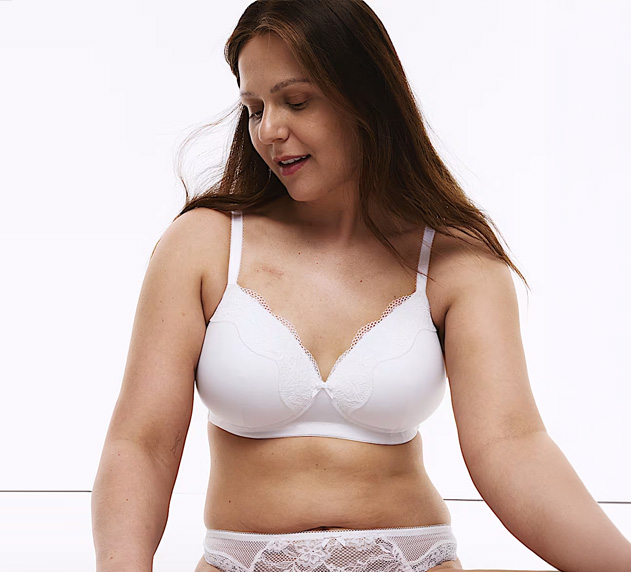
Why a Post Surgery Bra Matters
After any breast surgery, the body needs compression and support to heal properly. A compression bra post surgery helps reduce fluid build-up around incision sites, minimises swelling, and holds tissue in place as it settles into its new shape. For augmentation patients, it also helps implants position correctly during the critical first weeks.
This is not a job a regular underwired bra — or even a standard soft bra — can do. The shape, structure, and fastening of a breast surgical bra are all designed specifically around post-operative needs.
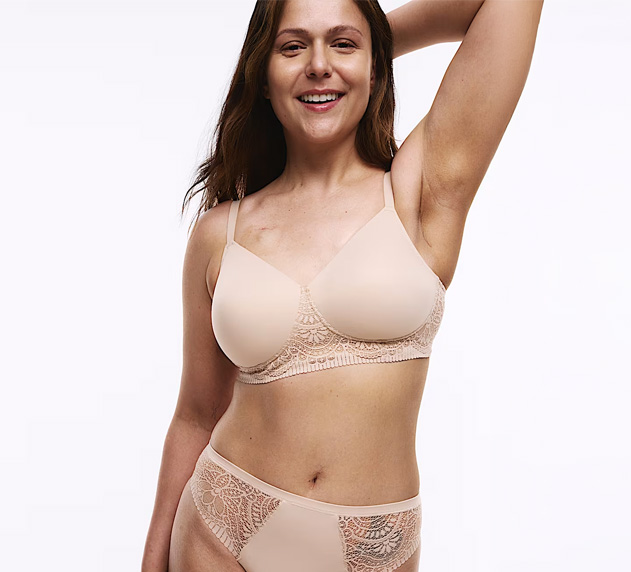
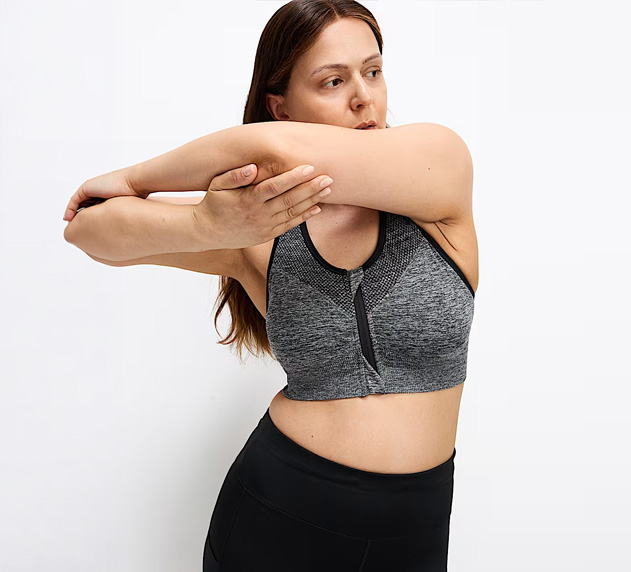
At Marks & Spencer India, the post-surgery bra range is designed with both function and dignity in mind. Styles include front-fastening options in extended sizes, pocketed designs for prosthesis wear, and soft-cup bras suited to different recovery stages. Fabrics are selected for breathability and skin sensitivity, which makes a meaningful difference when worn 24 hours a day during recovery
Shop Post Surgery Bras at M&S
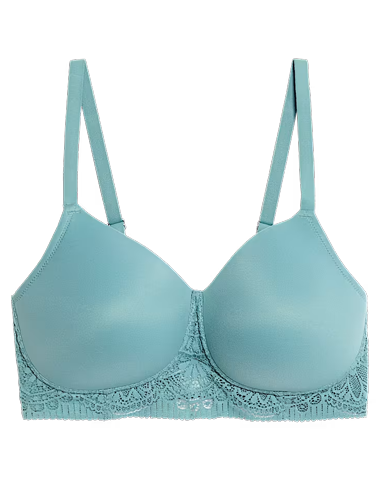
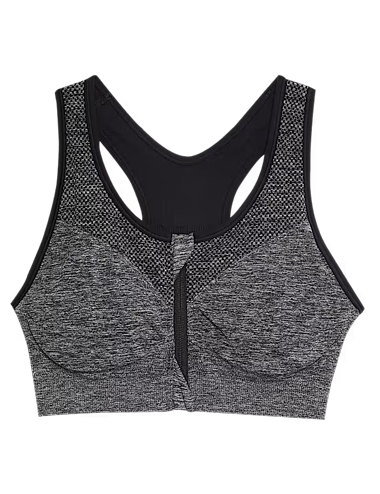
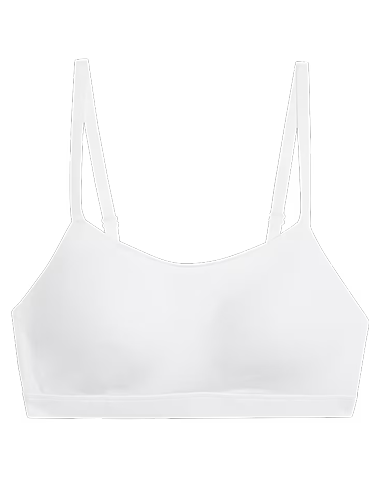
What to Look for in the Best Post Surgery Bra
Front Fastening
After surgery, raising your arms to fasten a bra at the back is painful and often physically impossible in the early days. A front-fastening surgery recovery bra removes that problem entirely. Look for wide, easy-to-grip clasps.
Soft, Non-Wired Construction
Underwire is completely off the table post-surgery. Even after a routine procedure, underwire can press directly on incisions or lymph nodes, causing irritation or worse.
Gentle Compression
There is a difference between compression that aids healing and compression that is so tight it restricts blood flow. The best post surgery compression bra offers firm but breathable support — it should feel snug without feeling suffocating.
Breathable, Skin-Kind Fabric
Surgical sites are sensitive, and the skin around incisions can react to synthetic or rough fabrics. Cotton-rich or microfibre materials that sit gently against the skin are preferable.
Wide, Adjustable Straps and Band
Post-surgery swelling means your size will change in the first few weeks. Bras with multiple hook positions on the band and adjustable straps give you room to adapt the fit as your body changes — without needing to buy a new bra every fortnight.
Pocketed Cups
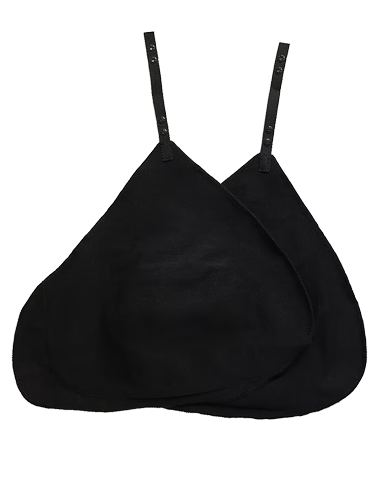
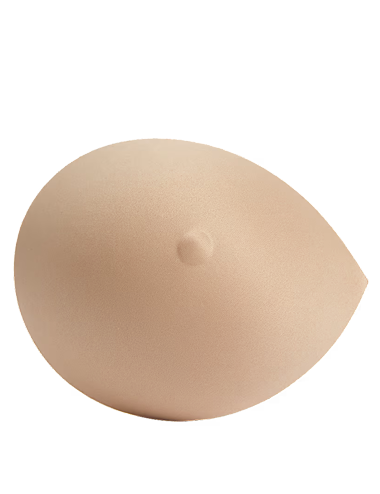
For mastectomy patients, a best post surgical bra with built-in pockets allows a breast prosthesis or soft cotton form to be worn securely and discreetly.
We also offer Breast form and Post Surgery pockets to provide discreet comfort compatible with various bras.
How a post Surgery Bra should Fit.
Fit matters more here than in any other bra category. A poor fit is not just uncomfortable — it can affect how you heal.
-

1. The band:
Should sit level around your body and feel snug but not tight. If the band rides up at the back, it is too loose. If it leaves marks or restricts your breathing, it is too tight. Start on the loosest hook position so you can tighten as swelling reduces.
-
2. The cups:
Should fully contain the breast or breast tissue without bulging or gaping. During early recovery, some women find that a crop-style surgical bra works better than a cup structure, as it exerts even pressure across the whole chest.
-
3. The straps:
Should sit flat on your shoulders without digging in. Avoid styles where all the support load falls on the straps — the band should be doing the majority of the work.
-
4. Overall feel:
You should not be aware of the bra as a source of discomfort. Some pressure is expected and is part of how compression aids healing, but sharp digging, pulling at incisions, or restricted arm movement are signs that the fit needs adjusting.